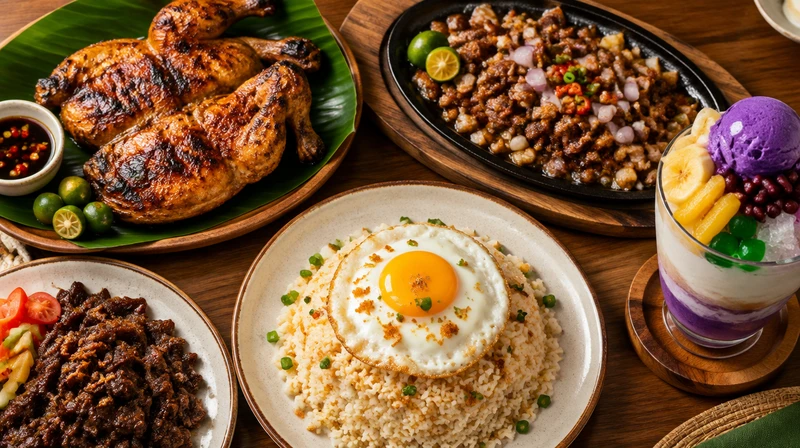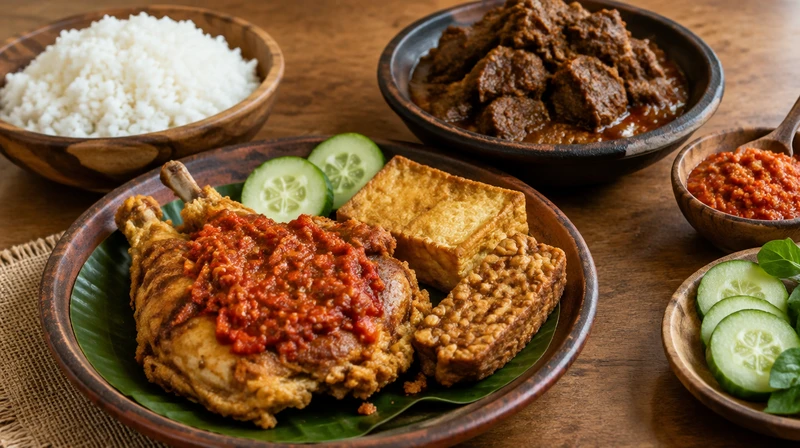
Crispy fried chicken pressed under a stone pestle and smothered in fiery sambal. Slow-cooked beef rendang that melts at the touch of a spoon. A plate of nasi padang piled with a little bit of everything. Indonesian food is bold, comforting and easy to love, and in Singapore you do not have to look far to find it.
This is part 3 of Many Faces of Singapore. The links between Singapore and Indonesia run deep. According to Singapore Tourism Board figures reported by The Star, Indonesia was Singapore's second-largest source of visitors in January to November 2025, at about 2.2 million. Many Singaporeans also have family roots across the Malay Archipelago. This guide is for everyone who loves good food and wants to discover more.
Shared roots: from Kampong Glam to today
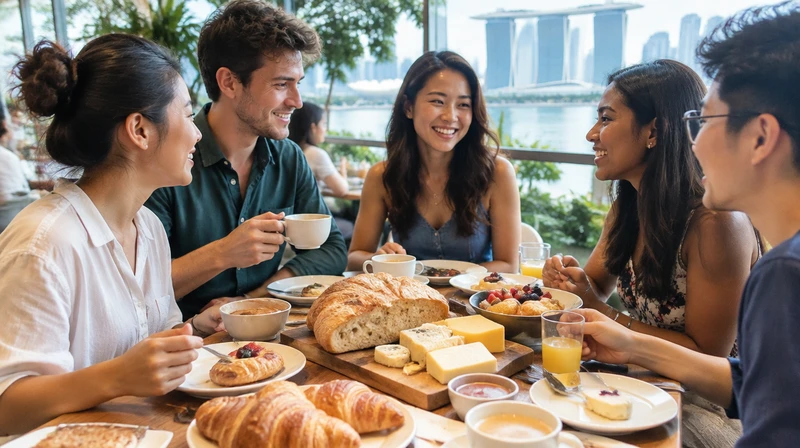
Credit: InSingapura.com (AI-assisted)
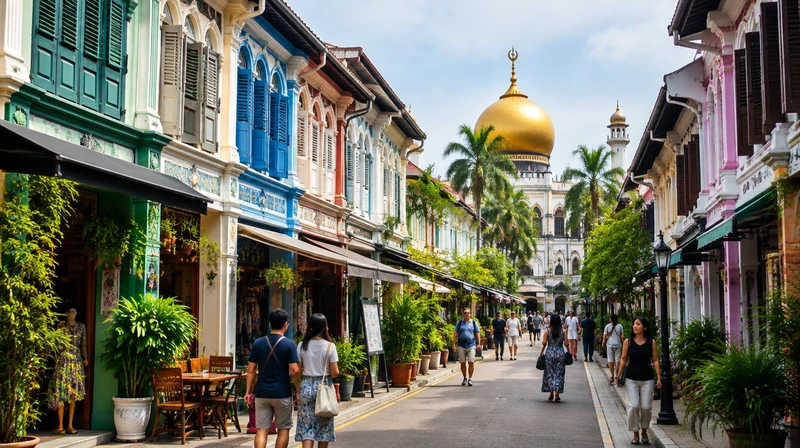
Long before Singapore's modern skyline, traders from across the Malay Archipelago set up shop here. NLB's Infopedia notes that Arab, Indian, Bugis, Javanese and Chinese traders built businesses along Arab Street, which became a mixed enclave in the Kampong Glam district. The Urban Redevelopment Authority adds that residents included Malays, Arabs, Boyanese, Bugis and Javanese, and that the area was gazetted a conservation area on 7 July 1989.
Today Kampong Glam still has a strong focus on textiles and Muslim cuisine, with newer shops and eateries drawing a younger, more diverse crowd. To dive deeper, visit the Malay Heritage Centre, which opened in June 2005 in the former Istana Kampong Gelam. It tells the story of the Malay community and the centuries of trade and cultural exchange across the archipelago. Check the centre's website for opening hours and admission.
The Ministry of Foreign Affairs also describes broad Singapore-Indonesia cooperation in education, culture, defence and the environment, including the RISING Fellowship for Indonesian regional leaders.
What to eat: a beginner's menu
Indonesian cuisine is huge and varies by region. These dishes are a friendly place to start:
Ayam penyet: fried chicken "smashed" lightly and served with sambal, rice, tempeh and tofu. It is hugely popular in Singapore.
Nasi padang: steamed rice with an array of dishes from West Sumatra, such as rendang, ayam bakar, sayur nangka and dendeng balado.
Beef rendang: beef slow-cooked in coconut milk and spices until rich and dry.
Gado-gado: vegetables and tofu with a peanut sauce, a good vegetarian-friendly option.
Bakso and sop buntut: meatball soup and oxtail soup, comforting on a rainy day.
Nasi bakar: spiced rice grilled in banana leaf.
Martabak manis: a thick sweet pancake with chocolate, peanuts or cheese.
A note on halal: Many Indonesian eateries in Singapore are Muslim-owned. Eatbook's ayam penyet guide separates "Muslim-owned" from "halal-certified", and that difference matters. MUIS says certified eating establishments must display a valid halal certificate prominently, and it publishes an official list. If halal certification is important to you, look for the certificate or check the MUIS list before you order.
Where to eat
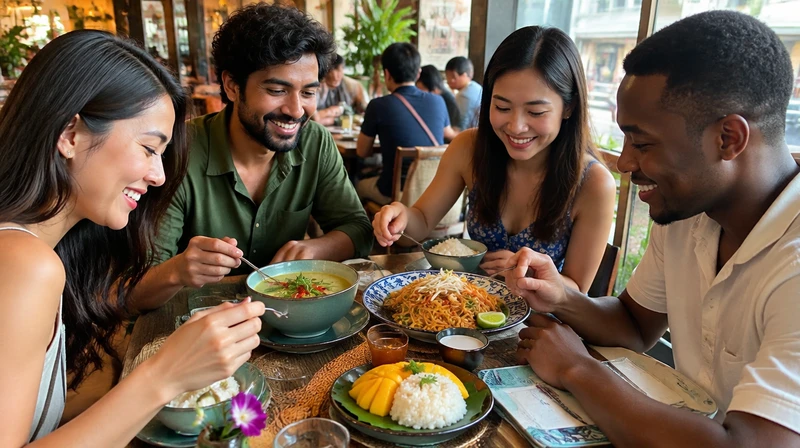
Credit: InSingapura.com (AI-assisted)
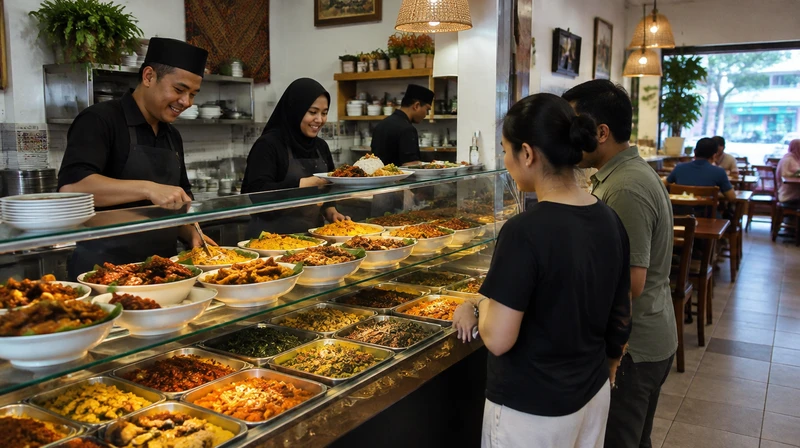
These places appear in recent guides from Eatbook, The Peak, City Nomads and Singapore Women's Weekly. Menus, hours and addresses change, so confirm before you go.
For ayam penyet
Ayam Penyet Ria: multiple outlets, reported as halal-certified by Eatbook.
Bebek Goreng Pak Ndut: #01-42 Lucky Plaza and Westgate, known for crispy fried duck and chicken. Reported as halal-certified.
D'Penyetz and Ayam Penyet President: mall outlets across Singapore, reported as halal-certified.
Bedok Food Centre: Nur Indah Kitchen and Ayam Penyet No. 1 serve ayam penyet. Eatbook describes them as Muslim-owned, not certified.
For nasi padang and Sumatran flavours
Rumah Makan Minang, Kandahar Street: open since 1954 and known for rendang and sayur lodeh.
Sari Ratu, Pahang Street and Lucky Plaza: nasi padang and gulai.
Warung M. Nasir, Killiney Road: beef rendang and ikan asam pedas.
Tambuah Mas, Paragon and Great World: open since 1981, with tahu telor and satay.
More to explore
Cumi Bali, Tras Street: grilled squid and sate Madura.
IndoChili, Zion Road: dishes from Java, Padang and Bali.
Kulon, Bali Lane: bakmi (Indonesian dry noodles).
Warung Ijo, Beach Road: a vegetarian Indonesian menu.
Kintamani, Havelock Road: nasi tumpeng, a turmeric-rice "mountain" for celebrations.
Shopping and wandering
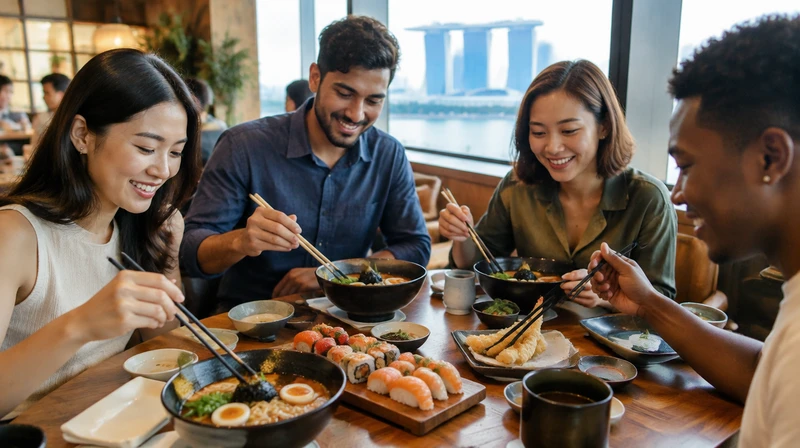
Credit: InSingapura.com (AI-assisted)
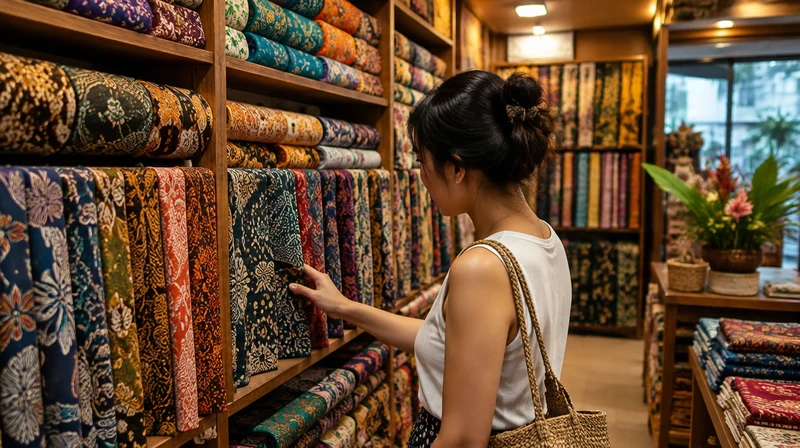
For a relaxed afternoon, head to Arab Street and Haji Lane in Kampong Glam. The URA notes the area's traditional focus on textiles, and you can browse fabrics, scarves and gifts before settling down for a meal. The heritage shophouses on Haji Lane are some of the earliest in the area.
Visit tips, and what's next
Check opening hours and addresses before you travel. Small restaurants can move or close.
If you need halal food, look for the MUIS certificate on display or check the MUIS list.
Ask what is spicy. Sambal can be seriously hot, and staff are happy to guide you.
Order a few dishes to share, the way many Indonesian families eat.
On 17 August, Indonesians around the world celebrate Independence Day. A community group of parents in Singapore, for example, held children's games and a storytelling session for the day in 2024, according to IndoConnect Singapore. Look out for public events nearer the date next year.
Read the rest of the series:
Next in Many Faces of Singapore: the Japanese community, from ramen to department-store treats.