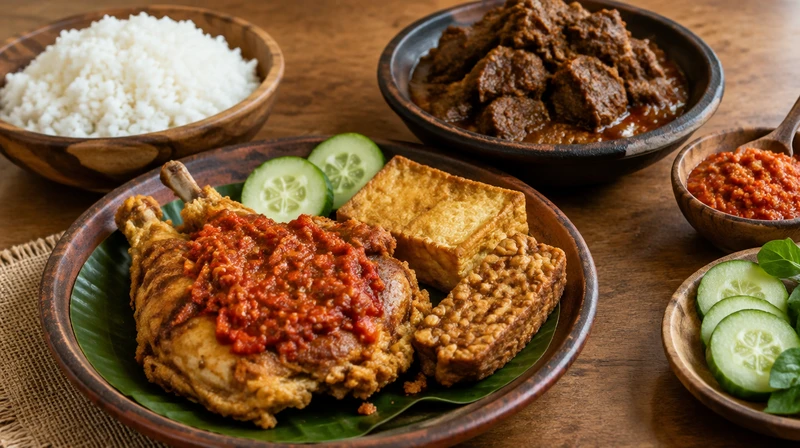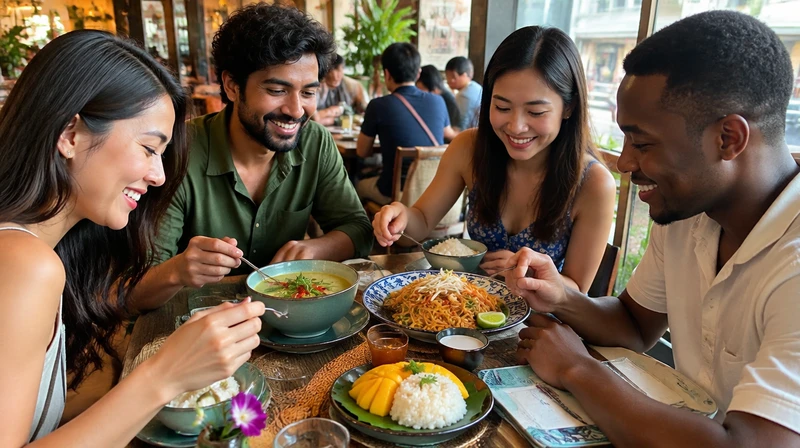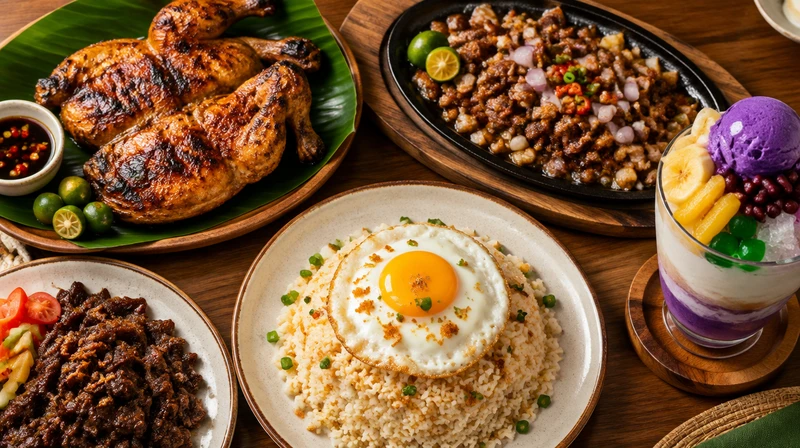
Garlic rice, tangy adobo, sizzling sisig and a tall glass of halo-halo: Filipino food is warm, generous and made for sharing. In Singapore you can find it in neighbourhood coffee shops, food courts and mall corners across the island, and for more than four decades one building on Orchard Road has been a favourite gathering place for the Filipino community.
This is part 2 of Many Faces of Singapore. Our aim is simple: help anyone, of any background, enjoy Filipino food and shops with curiosity and respect. Even Jollibee, the best-known Filipino brand here, says that 80 to 90 per cent of its Singapore customers are locals, according to the Economic Development Board's November 2025 profile. So pull up a chair. Everyone is welcome.
Why Lucky Plaza matters
Credit: InSingapura.com (AI-assisted)
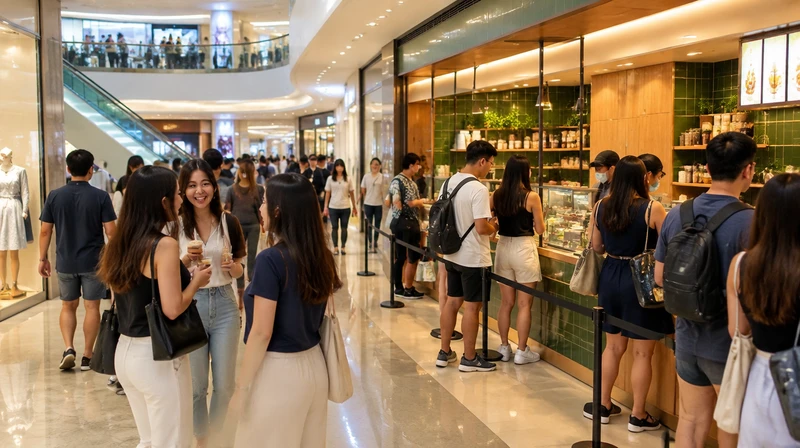
Lucky Plaza was built by Far East Organization and opened in 1981, according to a postcard in the National Museum of Singapore's collection on Roots.gov.sg. Over the years it grew into a community hub as more Filipinos came to Singapore to work. RICE Media describes it as a "third place" where people can meet, eat, run errands and feel at home.
Many visitors are migrant domestic workers, who spend their weekly rest day here. Under Ministry of Manpower rules, employers must provide a weekly rest day and, from 1 January 2023, at least one rest day a month that cannot be replaced by compensation. That is why Sundays can get very busy, with queues at remittance counters and tables filled with friends.
What to eat: a beginner's menu
If you are new to Filipino food, these are friendly places to start:
Adobo: meat braised in vinegar, soy sauce and garlic. Savoury, tangy and great with rice.
Sisig: chopped, grilled pork served sizzling, often with onions and chilli.
Chicken inasal: grilled chicken marinated in citrus and spices, a favourite from the Visayas region.
Kare-kare: a rich peanut stew, usually served with shrimp paste on the side.
Lechon: roast pig with crackling skin. Many restaurants also sell chopped lechon rice meals.
Silog meals (tapsilog, longsilog and more): garlic rice and egg with a choice of meat, a classic breakfast that works any time of day.
Halo-halo and ube desserts: shaved ice with sweet toppings, and treats made from purple yam.
A note on halal: Most of the Filipino restaurants named in recent guides are not halal-certified. Jollibee outlets and Nanay's Kitchen in Ubi were reported as halal-certified by Eatbook and Honeycombers, but certification can change. MUIS says certified eateries must display a valid halal certificate prominently, and it publishes a list of certified eating establishments, so please check before you order.
Where to eat, in Lucky Plaza and beyond
These places were named in recent guides from Eatbook, Honeycombers and Singapore Women's Weekly. Prices and hours change, so check before you go.
At Lucky Plaza (304 Orchard Road)
Kabayan Filipino Restaurant, #03-25: a long-time favourite for everyday rice meals such as tapsilog and lechon kawali.
Inasal Restaurant, #04-49/50/51: chicken inasal, halo-halo and ube pandesal.
Tapa King, #B1-038: beef tapa and silog sets.
Jollibee, basement food court: Chickenjoy and Jolly Spaghetti.
Around the island
Gerry's Grill, StarHub Centre, 51 Cuppage Road: grilled dishes and sizzling sisig.
Esquinita by Konyo, Cuppage Terrace: sharing plates and a lively bar atmosphere.
Max's Restaurant, Far East Plaza: the well-known fried chicken.
Don Lechon, Grandlink Square (Guillemard Road) and East Village (Upper Changi Road): lechon and hearty stews.
Kuya's Kusinang Pinoy, North Bridge Centre: home-style dishes with a menu that changes often.
Lechon Republic, Novena Regency, Thomson Road: charcoal-grilled lechon and sisig.
Nanay's Kitchen, Ubi Avenue 1: reported as halal-certified.
Want the full list of Jollibee outlets? See our guide:
Groceries, snacks and everyday shops
Credit: InSingapura.com (AI-assisted)
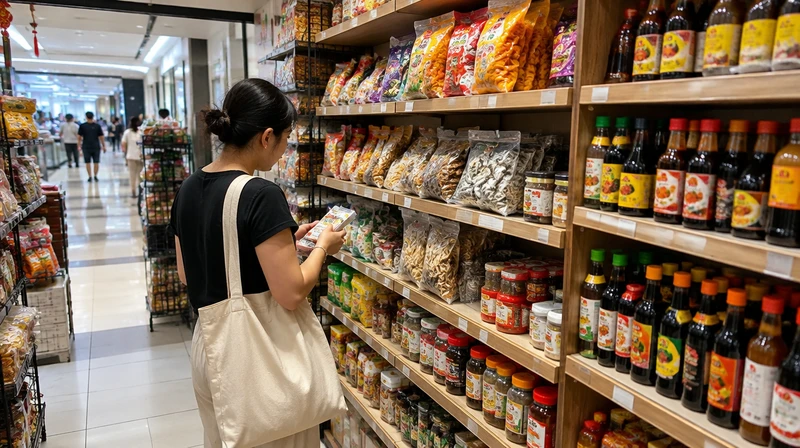
RICE Media's 2019 profile of Lucky Plaza describes a mix of services under one roof, and many of these are still part of the shopping experience:
Mini-marts selling Filipino snacks, sauces and pantry items that can be hard to find elsewhere.
Remittance agencies, where many workers send money home.
Small salons and services run by Filipino stylists.
Secondhand clothing shops (known as "ukay-ukay") and tourist-oriented souvenir shops.
Jewellers, some with instalment plans.
Shops come and go, so treat this as a guide to what you may find rather than a fixed list. If you are cooking at home, ask the shop owner for their favourite brand of sauce or noodles. They are usually happy to help.
Celebrations and community moments
Credit: InSingapura.com (AI-assisted)
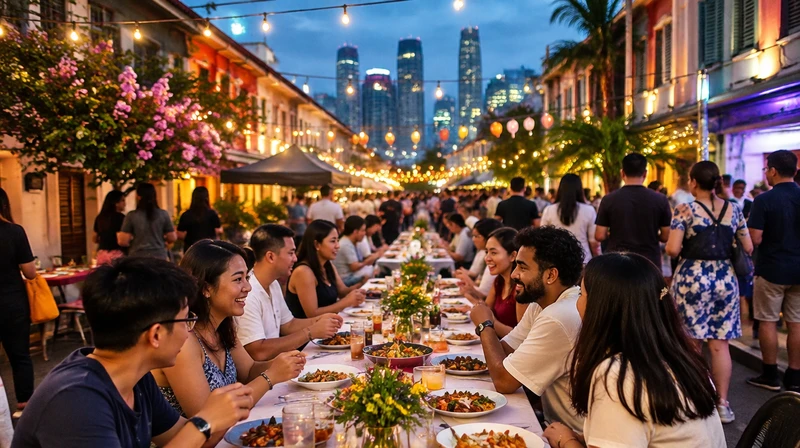
Filipino culture is also celebrated in public spaces:
In June 2026, Esquinita by Konyo held a free three-day Philippines Independence Day fiesta from 12 to 14 June with Filipino dishes and music, according to Little Big Red Dot. Look out for next year's edition.
In September 2024, Gardens by the Bay and the Philippine Embassy presented "Gardens by the Bahay Kubo: A Fiesta of Orchids" at the Cloud Forest, marking 55 years of diplomatic relations. At the launch, Manpower Minister Dr Tan See Leng thanked Filipinos in Singapore for their contributions to the economy and cultural diversity.
Singapore and the Philippines have also worked together for decades, with the Philippines-Singapore Action Plan set up in 1998 and the two sides describing "strong people-to-people connections", according to the Ministry of Foreign Affairs.
Visit tips, and what's next
Check opening hours and the latest menu before you go. Small outlets can change quickly.
If you need halal food, look for the MUIS certificate on display or check the MUIS list.
Be respectful in busy spaces. Ask before taking photos of people, and keep walkways clear.
Try something new. Ask the staff what they would recommend if you are unsure.
New to the series? Start with part 1:
Next in Many Faces of Singapore: the Indonesian community, and where to find flavours from across the archipelago.