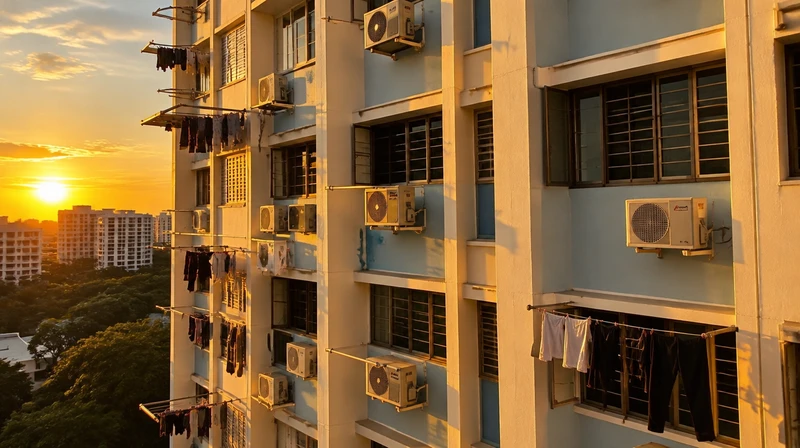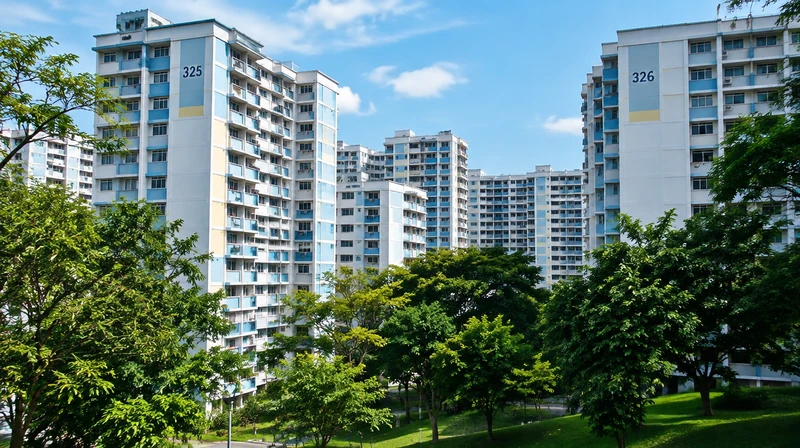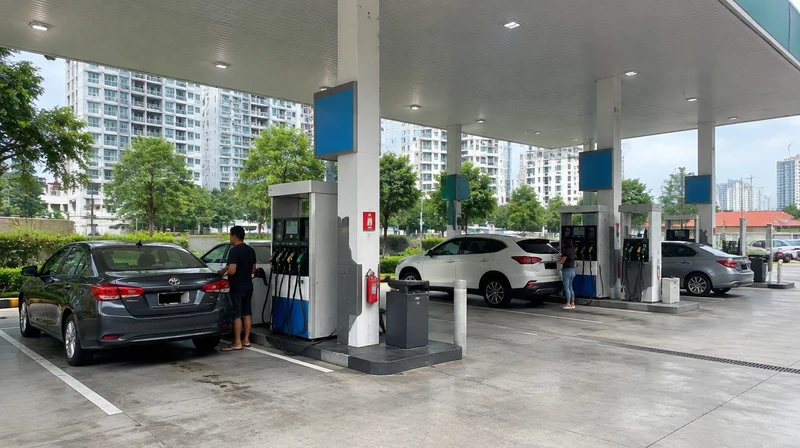
If your last few trips to the petrol station left you wincing, you are not alone, and it is why "fuel" is trending. This guide pulls together why prices have been elevated, what support has been announced, and a few practical ways to spend less. We have deliberately left out pump price figures, since they change often and differ by station, grade and card discount.
The short version
- Pump prices follow global oil prices closely. Petrol and diesel prices rose sharply in 2026 amid the Middle East situation, and the government said in April they were likely to stay elevated for some time.
- The government decided not to cut fuel duties across the board, calling that approach too blunt and possibly regressive. It chose targeted support instead.
- Support includes CDC Vouchers, cash payments, U-Save rebates and a $200 cash payment for eligible platform workers, private-hire car drivers and taxi drivers.
- Many of these are for Singaporean households or specific groups, so check the eligibility rules before assuming you qualify.
Details checked on 26 November 2026. This story is still being reviewed and may be updated. Please check the agency pages named in the article before acting.
Why pump prices have been high
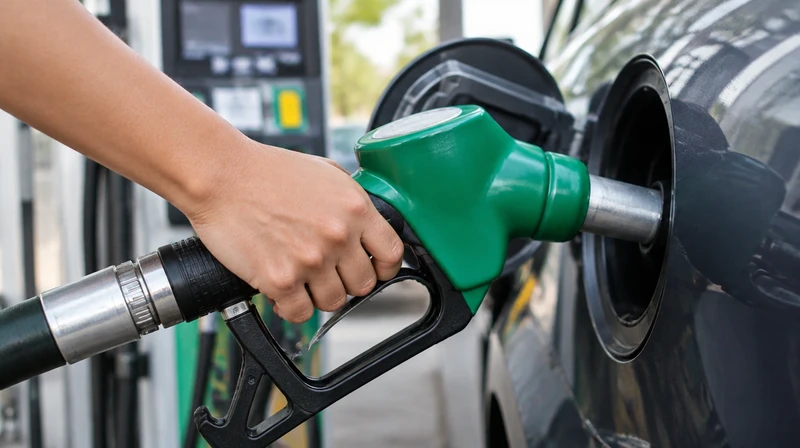
Credit: InSingapura.com (AI-assisted)
Singapore imports virtually all of its energy, so local pump prices move with the global market. GetGo's explainer notes that retailers price off the Mean of Platts Singapore benchmark and that the government does not cap or subsidise petrol prices. Disruption to oil supply routes amid the Middle East conflict pushed prices up sharply earlier this year.
In an April 2026 ministerial statement, the government said petrol and diesel prices had risen sharply and were likely to stay elevated for some time. It also said electricity and food prices had not yet fully reflected the increase.
As for the decision not to cut fuel duties, the government explained that a broad cut is "too blunt an approach" and could be regressive. It also said it wants price signals to encourage efficient energy use, and that targeted help reaches those most affected.
More recent coverage suggests prices have eased a little lately, but each move has been small, so it is not safe to assume a quick return to earlier levels.
Support that has been announced
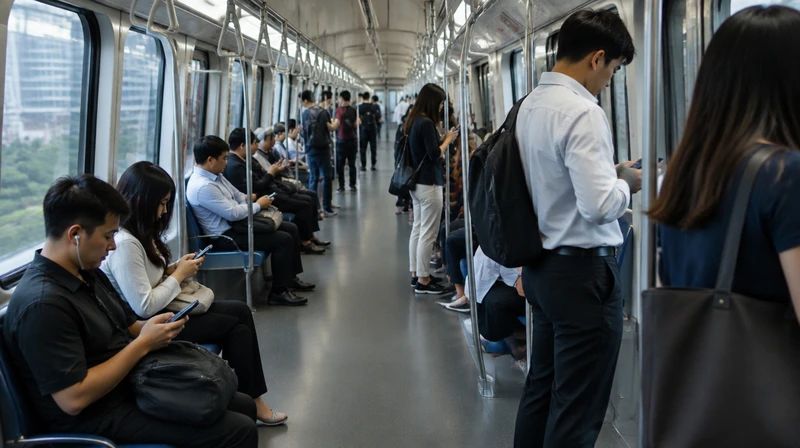
Credit: InSingapura.com (AI-assisted)
Here is what the Ministry of Finance, EDB and the Singapore Budget site say, with who it is for:
- Drivers: $200 cash for active platform workers, private-hire car drivers and taxi drivers, from end April 2026. Mothership reports they needed to be active from December 2025 to February 2026, and platform workers needed to earn over $500 a month from platform work.
- CDC Vouchers: $500 per Singaporean household, brought forward to June 2026, and another $300 in January 2027, split equally between heartland merchants and hawkers, and supermarkets. The January 2027 vouchers are valid until 31 December 2027, and the disbursement details were to be announced later.
- Cost-of-Living Special Payment: $400 to $600 in September 2026 for eligible Singaporean citizens aged 21 and above, depending on income and home value. No application is needed.
- U-Save rebates: up to $190 of additional U-Save in October 2026 and January 2027 for eligible HDB households, credited automatically to the SP Services utilities account.
- Essential buses: temporary co-funding for cost increases on essential bus services, such as those for students, seniors and persons with disabilities.
Most household schemes are for Singaporeans, so Permanent Residents and other residents should check the official pages before assuming they qualify. Businesses have separate measures, such as an enhanced corporate income tax rebate.
Practical ways to spend less at the pump
Credit: InSingapura.com (AI-assisted)
None of these will change the global price, but they can add up across a year. These tips come from MoneySmart and GetGo's guides:
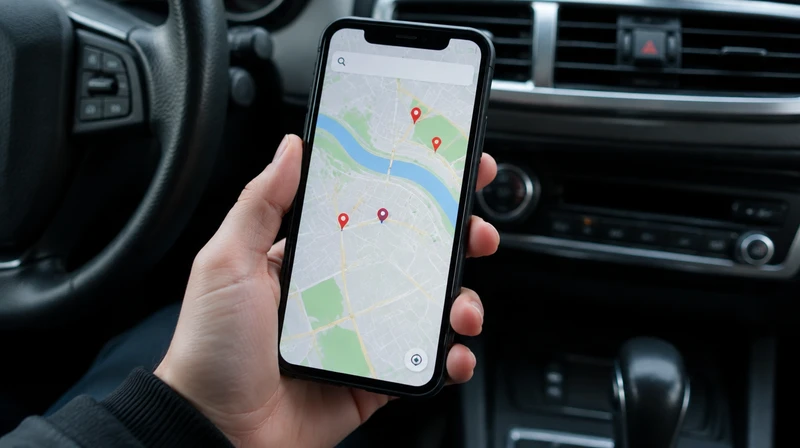
- Compare before you drive. Price-comparison tools such as Fuel Kaki, Motorist and SgPetrolPrice show posted prices, which GetGo says do not include card discounts.
- Use a petrol card that suits you. MoneySmart says the best cards can save up to 23% on fuel, but the savings vary by card, station and day, and cards have spending conditions.
- Drive smoothly. GetGo says gentle acceleration and braking can cut fuel use by up to 20%.
- Check tyre pressure monthly. GetGo says under-inflated tyres can use up to 2.5% more fuel.
- Use the grade your car needs. If your car does not require RON 98, GetGo notes that using RON 95 can save roughly $0.50 per litre. Check your car's manual first.
- Rethink some trips. MoneySmart suggests switching some drives to public transport.
For schemes you may qualify for, check the Ministry of Finance and the Community Development Councils' CDC Vouchers pages for the latest claiming steps.