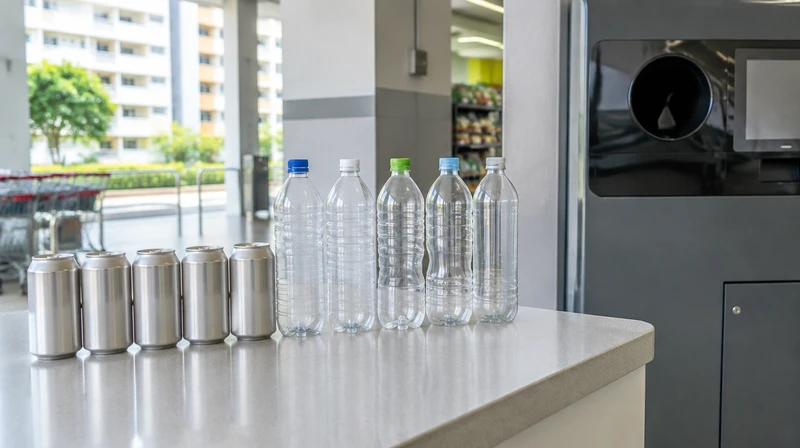
Picture this. You are in Johor Bahru, you buy a cold can for about RM4.50, and when you flip it around you spot the little Singapore deposit mark on the label. Home you go, and at the nearest Return Right machine you feed the empty can in, expecting your 10 cents. The machine says no.
That is more or less what one shopper reported after buying a can of Krobe Salt.Cola at a restaurant in Johor on 4 July and trying to return it at a machine in Sembawang, according to MS News on 17 August 2026. The story and similar online chatter later prompted fresh discussion in October about whether JB drinks could earn refunds here, which Mothership covered, citing Lianhe Zaobao. The short answer from the scheme operator: no, even when the mark is printed on the can.
Why does a mark that looks official not work? It helps to follow the can's journey and see the three checkpoints it never passes.
The quick answers
- Containers bought outside Singapore are not registered in Singapore's system, so they are not eligible for the 10-cent refund, even if they carry the deposit mark.
- BCRS Ltd, the scheme operator, has called the use of the mark on such a can unauthorised and said it reached out to the importer to understand why it was printed.
- Return Right machines check each container against a live database of registered containers, so a printed mark alone is not enough.
- A shopper who bought a drink in Singapore and finds it rejected can ask for help, details below.
Three checkpoints the JB can never pass
Checkpoint 1: the deposit was never paid here. In Singapore, the 10 cents is added to the price at the till and comes back to you when you return the empty container. NEA's consultation paper described the flow plainly: producers pay the deposit to the scheme operator, retailers collect it from shoppers, and the operator reimburses return points for refunds. A can sold in Johor never went through that chain, so no Singapore shopper's deposit sits behind it. Paying out on it would mean refunding a deposit nobody here paid, and that money would have to come from somewhere else in the system. That is plain logic about how the scheme is funded, not an official statement.
Checkpoint 2: the machine checks a database, not a logo. A Return Right machine scans the barcode and cross-checks it against a live list of containers registered in Singapore, as BCRS Ltd told MS News. The idea of using a deposit mark together with registered barcodes to stop refunds on overseas-bought containers was already in NEA's 2022 consultation paper, which also floated Singapore-specific barcodes and higher fees for regional or international barcodes to cover possible cross-border losses. So the machine was always meant to look past the label.
Checkpoint 3: the mark itself shouldn't be there. BCRS Ltd called the appearance of the mark on a can retailed in Malaysia unauthorised, and said it had contacted the importer. If you spot something similar, the operator invites reports to hi@returnright.sg. On the Singapore side, the rules got stricter after the six-month transition ended on 30 September. From 1 October, supplying a regulated drink without both the deposit mark and a barcode is an offence in Singapore, with penalties of up to S$10,000, up to three months' jail or both, as Mothership reported.
Why it still sparks debate. To a shopper holding the can, the mark looks identical to the real thing, so it is natural to ask why 10 cents is withheld. To the scheme, the mark is only one part of the proof. There is a wider conversation too. Greenpeace Malaysia notes that Malaysia has its own machines at select sites, where users earn points redeemable for retailer vouchers, and it argues that return schemes alone do not cut how much plastic gets made. Singapore's own debates around the scheme have mostly been about everyday etiquette at the machines, such as large bag loads holding up the queue, as SCMP noted. None of this changes the refund rule, but it shows the scheme is being talked about well beyond one rejected can.
Want the basics of how the scheme works first? Start here:
What to do if a container gets rejected
If you bought it in Singapore. Check that the container has the Deposit Mark, is empty and uncrushed, and that the barcode is intact. The Return Right site lists damaged or unreadable barcodes and crushed containers among the reasons a machine will refuse an item. If an uncrushed container with the mark and an intact barcode is still rejected, BCRS Ltd encourages you to send a clear photo of the product, the barcode and where you bought it so the team can verify it. You can write to hi@returnright.sg or call +65 6035 5882 daily between 9am and 6pm, or use the Contact Us form on returnright.sg.
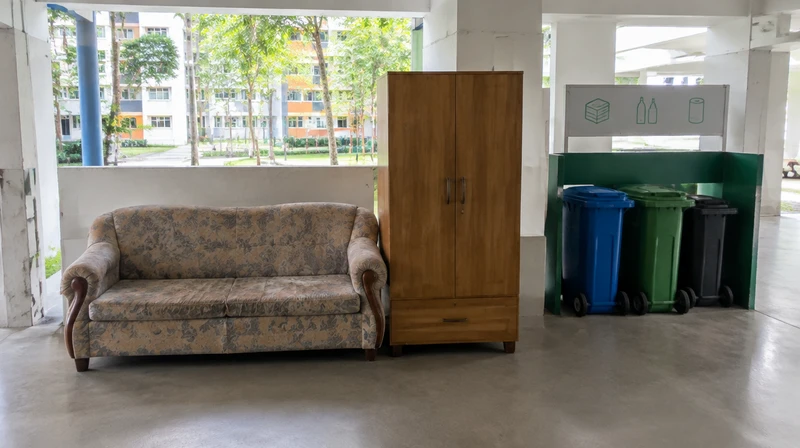
If you bought it in Johor or anywhere overseas. Please don't count on a refund, even when the label carries the mark. NEA's page for consumers explains that containers not meant for consumption in Singapore won't carry the Deposit Mark, which is why one that does is unusual. Drop an overseas can in a blue bin or another recycling point instead. Bringing a drink back for your own use is a separate matter. Singapore Customs grants GST import relief on personal-use goods, up to S$100 for a trip under 48 hours and up to S$500 for 48 hours or more, but that has nothing to do with the deposit scheme.
If you have a collection of rejected cans. Check each one's label before making a trip. A quick look at the Deposit Mark saves a wasted journey to the machine, which NEA also suggests in its consumer tips.
Good to know. The refund is paid digitally, through DBS PayLah! or a SimplyGo EZ-Link card, and a printed service ticket can be claimed online within 30 days. Details can change, so check the Return Right website for the latest.