For many families, the hardest part of a CareShield Life claim is not the form. It is the assessment, and not knowing what to expect.
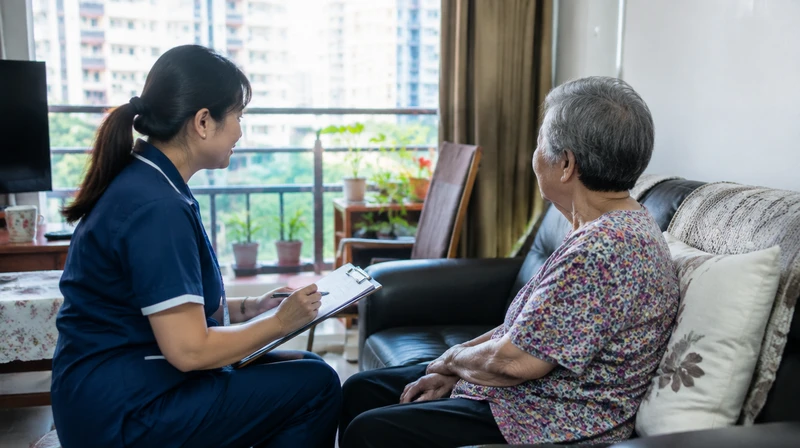
A severe disability assessment is a short visit where an accredited assessor, usually a nurse, doctor or therapist, looks at how well your loved one manages everyday activities such as washing, dressing and moving around. The result goes into a report that supports the claim.
This guide explains what happens, what it can cost, and what you can prepare beforehand. It is meant to take some of the worry out of the process, not to replace advice from the Agency for Integrated Care (AIC) or the assessor.
For the bigger picture on premiums and payouts, see
What the assessor looks at
Credit: InSingapura.com (AI-assisted)
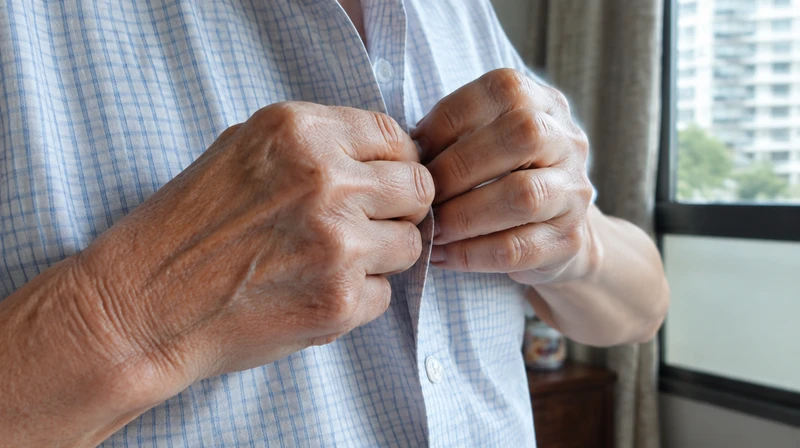
The assessment looks at the six activities of daily living, often shortened to ADLs: washing, dressing, feeding, toileting, mobility and transferring (for example, moving from bed to chair).
Under CareShield Life, a person is generally considered severely disabled when they cannot perform at least three of these six activities. The assessor observes and asks questions about each one, then records the result in a functional assessment report.
The assessor is looking at what the person can do on their own, not on their best day with help. Being honest and specific about everyday struggles gives a more accurate report.
How to book an assessment, and who does it

Credit: InSingapura.com (AI-assisted)
AIC's guidance is to arrange the assessment with an MOH-accredited assessor and then submit the claim to AIC. Community care providers such as NTUC Health describe the usual steps on their pages:
- Book through the provider's online form or hotline.
- A nurse, doctor or therapist visits, or the senior goes to a clinic.
- The assessor completes the functional assessment report.
- The claim is submitted to AIC, online through eFASS, by email, or with a hardcopy form from an AIC Link.
NTUC Health says online applications may take up to a month, and payouts begin the following month. Timelines can vary, so check with AIC.
AIC also suggests bringing relevant supporting documents, such as medical records, to the assessment.
What it costs, and what can be reimbursed
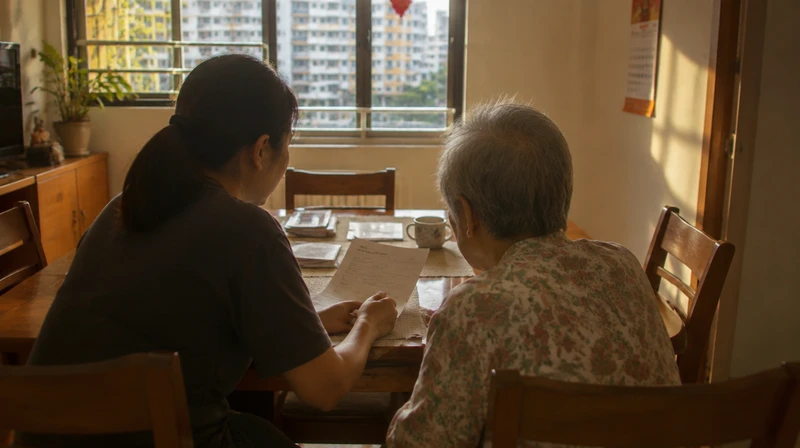
Credit: InSingapura.com (AI-assisted)
Fees depend on the assessor and the type of visit. The Ministry of Health's public Q&A mentions about $100 for a clinic assessment and $250 for a house call. NTUC Health says the first assessment for a CareShield Life claim is free, and later ones cost up to $250, reimbursed with the first payout if the claim succeeds.
Touch Community Services also lists $250 for a single visit and $100 for multiple visits or centre-based assessments. Treat these as examples and confirm the current fee when you book.
For other schemes such as ElderFund, ElderShield, IDAPE and MediSave Care, MOH's answer says the assessor collects the fee, which is reimbursed if the person is found severely disabled. Ask the assessor which rule applies to your case.
Since 2026, one assessment can serve related schemes in some cases, according to MoneySmart. Ask AIC whether yours can be reused so you do not pay twice.