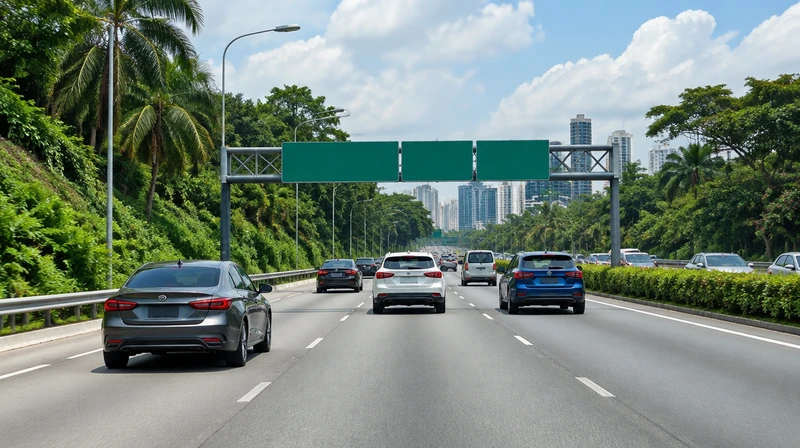
If you take a Zig taxi or rely on a Zig driver for a ride, the people behind the wheel have just gained a new set of written terms. On Friday 27 November, ComfortDelGro's Zig became the first platform operator in Singapore to sign collective agreements with the two associations that represent taxi and private-hire drivers.
Here is a plain-language guide to what was signed, what starts on 1 December, and what it does and does not change.
What was signed, and who it covers
According to CNA, the agreements are between Zig and the National Private Hire Vehicles Association (NPHVA) and the National Taxi Association (NTA). Both are affiliated with the National Trades Union Congress (NTUC), and both have legal powers to represent drivers under the Platform Workers Act, which took effect in January 2025.
ComfortDelGro's group CEO said the agreements cover more than 15,000 taxi and private-hire drivers. A collective agreement is a written understanding between a platform operator and a recognised association on workers' terms and conditions of work. The Ministry of Manpower (MOM) says these agreements last two to three years and must be filed with the Industrial Arbitration Court for certification within a week of signing.
For context, MOM's advance figures released the same day estimate that 57,000 to 59,100 private-hire car and taxi drivers did this as their regular form of employment in 2026, according to CNA. Zig is not the only operator. Grab, Gojek, TADA and Trans-Cab's Smile also work with drivers here, and the NPHVA says it is in talks with other platform operators.
What starts on 1 December

Credit: InSingapura.com (AI-assisted)
The joint statement from the associations and Zig, as reported by CNA, lists these main changes:
- Itemised statements: every trip and payout comes with a clear breakdown showing the fare, surcharges and incentives, commission, payment processing fees, CPF contributions and net earnings. Zig says this formalises its existing practice, so drivers can check take-home pay per trip.
- Notice before suspension: except in serious cases, Zig will warn or notify a driver before suspending or removing them from the platform. Serious cases are gross or serious misconduct, or where regulations require immediate action.
- Appeals: members can appeal through their association and receive a written outcome with reasons.
- Consultation: Zig will consult the associations before major changes that affect drivers' earnings, allowances, deductions or working conditions, except in urgent cases, and will give at least two weeks' notice of adjustments to fares, the app or pilot programmes.
- Data sharing: Zig will share aggregated figures on earnings, online hours and completed trips with the associations, which they say helps them spot emerging issues.
- Minimum fare: a minimum fare of S$9 applies to ComfortRide trips on Zig, which may be reviewed as costs and market conditions change.
Drivers who rent from Zig are also entitled to preferential commission rates, according to the associations.
If there is a dispute or an injury

Credit: InSingapura.com (AI-assisted)
Resolving disagreements
NPHVA and NTA members can raise grievances through their association and escalate them to Zig's management. If a dispute is still unresolved, either side can ask MOM for conciliation and, if needed, take it to the Industrial Arbitration Court. MOM says it arranges a conciliation meeting within 14 days of being notified, and that arbitration is a last resort.
Leave, health and injury support
From 1 December, Zig will help eligible drivers apply for government-paid leave, including maternity, paternity, shared parental and childcare leave. Drivers also get access to health screening at preferential rates. Eligible drivers who are permanently incapacitated in an accident while doing platform work, and who qualify for work injury compensation, can receive up to S$2,000 as interim relief on top of the compensation required by law.
CNA reports that these benefits will also be made available to eligible private-hire drivers who do not rent Zig vehicles but take Zig jobs, if they are members of NPHVA or NTA. Each of these benefits has eligibility conditions, so drivers should confirm with their association or Zig.
The rules behind it: the Platform Workers Act
The agreements sit on top of protections already in law. MOM says that since 1 January 2025, platform workers get the same scope and level of work injury compensation as employees under the Work Injury Compensation Act, and they and their operators can form associations to negotiate and represent them.
CPF is part of this too. The CPF Board says contribution rates for platform workers and operators rise gradually from 2025 to 2029 until they match those for employees and employers. Higher contributions are mandatory for workers born on or after 1 January 1995, and older workers can opt in. Operators deduct the worker's share as they earn and submit it monthly. MOM also lists the Platform Workers CPF Transition Support, a monthly cash support for eligible lower-income Singapore Citizens, which offsets part of the increase: 100% in 2025, 75% in 2026, 50% in 2027 and 25% in 2028.
In a written parliamentary answer on 5 August 2026, MOM said about 90,000 platform workers received CPF contributions each month in 2025, and that 12 platform operators have recognised at least one platform work association.
What it means for riders, and what it does not change
Nothing in the CNA report points to a change in taxi meter fares or app fares for riders. The agreements mainly concern how drivers are informed, supported and consulted. Taxi rides booked through partner apps stay on the meter, according to Technode's report on Zig's GoTaxi partnership with Gojek.
The associations themselves say earnings remain the main concern. The NPHVA president said drivers' shifts have stretched from eight to 12 hours to 12 to 16 hours, and that he hopes fares will go up so drivers can earn more without such long days. The Star reported in August that ComfortDelGro's taxi fleet shrank to about 7,600 vehicles in the first half of 2026 while its private-hire driver base grew to more than 4,000, and that the company's profit fell on cost pressures.
ComfortDelGro said it will invest more than S$25 million over the next five years in welfare, benefits and expenses for its taxi and private-hire drivers.
For drivers: check with NPHVA, NTA or Zig on whether you are eligible for each benefit, and keep your itemised statements.